
For businesses that rely on an Uninterruptible Power Supply (UPS) to keep critical equipment running, every unit needs bypass switches. They protect your setup during maintenance and unexpected faults alike. But comparing static bypass vs. maintenance bypass switches often reveals differences that don’t always stand out.
Each serves a distinct purpose. One reacts automatically to problems. The other requires manual action for safe servicing. Knowing what each does can save you from costly downtime later. A UPS also bridges the gap until backup generators come online.
What Static Bypass Does
Every UPS relies on internal components such as the inverter and rectifier to condition the power. When something goes wrong inside, the static bypass automatically kicks in, using a solid-state switch to redirect input power directly to the output. This transfer happens fast enough that connected equipment barely notices anything has changed.
Because the switch operates electronically rather than mechanically, the transfer can occur in milliseconds, which matters most for sensitive devices like servers. A static bypass activates during internal faults or overload conditions, protecting both the UPS and the equipment it powers.
This serves as a short-term fix, not a permanent state. Once the fault clears, the UPS returns to normal operation on its own, ready to handle the load directly again.
How Maintenance Bypass Works
A maintenance bypass takes a different approach. Instead of reacting automatically, it needs someone to switch it on manually, usually via an external mechanical switch or breaker separate from the UPS itself. Maintenance bypass typically takes the form of a wraparound switch, either a rotary type or a circuit breaker (MCB) design.
Once engaged, power flows directly from input to output, bypassing the UPS entirely, so technicians can work on the system without cutting power to the load. This bypass suits longer stretches of time rather than split-second reactions. It covers scheduled maintenance, repairs, replacements, and testing, providing technicians with full access to the UPS while the load remains powered.
Static Bypass vs. Maintenance Bypass Switches
The two features serve different roles even though people often mix them up. One activates automatically in response to a fault, while the other requires manual operation through an external switch. One serves short-term use during emergencies, while the other supports extended operation with the UPS fully isolated from the load.
Recognizing the distinction between static bypass vs. maintenance bypass switches helps prevent costly mistakes during service calls. In short, static bypass offers reactive protection, while maintenance bypass offers proactive control.
Why Sequence Matters
Following a specific order before touching the external switch matters. Technicians must place the UPS into static bypass first, and only after completing that step should they operate the maintenance bypass switch. Activating the static bypass switch beforehand helps ensure a safe transition for both the equipment and the technician.
The maintenance bypass switch usually sits external to the UPS, and incorrect operation at this stage can cause real damage to the system.
Protecting the Load During Maintenance
Both bypass types aim to keep power flowing to the load, protecting the critical equipment from interruption. During service work, technicians need to operate without worrying about cutting power to servers or other essential systems.
Static bypass handles unplanned events, such as a sudden fault. In contrast, maintenance bypass covers planned tasks, such as servicing a battery or replacing a part. Applied correctly and in the right order, these two options allow UPS maintenance to proceed without shutting anything down.
Supporting Continuous Operation
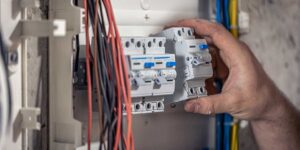 Static bypass and maintenance bypass switches serve complementary roles. Static bypass provides reactive protection during sudden faults. Maintenance bypass provides proactive control for planned service work. Together, they support power continuity across both emergencies and routine service work.
Choosing the Right Protection
Knowing the difference between static bypass vs. maintenance bypass switches helps you protect the critical load while keeping technicians safe during service. Each UPS bypass switch serves a distinct purpose, and using both together supports power continuity in every scenario.
Bay Area businesses can rely on Nite and Day Power for expert UPS support and maintenance. We help keep critical systems running with minimal downtime during outages or servicing. Call (800) 540-7693 to learn more.
